You can buy the most expensive sleeves, the best PVC-free binder, and the thickest toploaders — but if your storage room is too humid or too hot, your collection is silently degrading. Climate is the most overlooked factor in card preservation, and it's the difference between a binder that protects for 6 months versus 60 years.
The Two Numbers Every Collector Must Know
Forget everything else for a moment. There are exactly two environmental numbers that determine how long your cards last:
- Relative Humidity (RH): Target 40-55%
- Temperature: Target 65-75°F (18-24°C)
These ranges aren't arbitrary. They're the same conditions used by the Library of Congress, the Smithsonian, and major museums for archival paper preservation. If they work for 200-year-old documents, they work for your Charizard.
What Happens When Humidity Is Too High
The trading card industry's biggest enemy isn't scratches or fingerprints — it's water vapor. Above 60% RH, three destructive processes begin:
1. Foil Curling and Delamination
Foil cards (rainbow rares, holos, full arts) are made by laminating a foil layer to a paper substrate. High humidity causes these layers to absorb moisture at different rates, creating internal stress. The result: visible curling at the edges, sometimes followed by complete delamination of the foil layer. Once curled, a card cannot be flattened back to grade-eligible condition.
2. Warping and Border Wave
Card stock is made of paper fibers that absorb water from the air. As fibers swell unevenly, the card warps. You'll see this most clearly along the white borders — they'll appear wavy or no longer perfectly straight when viewed edge-on.
3. Mold Growth (The Worst Outcome)
Above 70% RH for extended periods, mold spores begin colonizing card surfaces. You'll see tiny black or green dots, usually starting in card corners. Mold permanently destroys the card and can spread to adjacent cards in a binder.
What Happens When Humidity Is Too Low
The opposite problem — humidity below 30% RH — is less common but equally damaging:
- Brittleness: Card edges become fragile and chip easily during handling
- Static buildup: Cards stick to sleeves and attract dust
- Adhesive failure: Foil layers can crack and separate from the card stock
This is a real issue for collectors in arid climates (Arizona, Nevada, New Mexico) and for anyone storing cards in heated rooms during winter when indoor humidity can drop to 20%.
Temperature: The Silent Killer
Temperature damage is slower and less obvious than humidity damage, but it's cumulative. Three things happen at elevated temperatures:
- Ink fading. Pigments break down faster at temperatures above 80°F. White borders gradually yellow.
- Adhesive breakdown. The glues holding foil layers and card lamination start failing above 85°F.
- Plasticizer migration. Even PVC-free sleeves can release additives faster at high temperatures, creating surface haze.
The biggest temperature mistakes collectors make: storing in attics (can hit 120°F+ in summer), storing in cars during summer trips, displaying cards near heat vents or fireplaces, and placing binders on south-facing windowsills.
The Cumulative Damage Timeline
| Conditions | 1 Year | 5 Years | 10+ Years |
|---|---|---|---|
| Ideal (45% RH, 70°F) | No change | No change | Mint preserved |
| Slightly high (60% RH, 75°F) | No visible | Slight foil curl | Visible warping |
| High (70% RH, 80°F) | Foil curl starts | Significant warping | Surface damage |
| Severe (80% RH, 85°F) | Visible damage | Mold risk | Cards destroyed |
How to Control Your Storage Environment
You don't need a climate-controlled vault. Here's a tiered approach by budget:
Tier 1: Free / Under $20
- Move cards out of basements, attics, garages, and sun-exposed rooms
- Store in interior closets on upper shelves (most stable temperature)
- Buy a digital hygrometer ($10-15) and monitor for 1 week to baseline your environment
- Add silica gel packets to binder boxes ($5 for a 50-pack)
- Use a zippered binder — the seal slows humidity exchange dramatically
Tier 2: $50-100 Investment
- Buy a small dehumidifier for the storage room ($60-80)
- Or a humidifier if you live in a dry climate
- Use airtight storage containers with humidity indicator cards
- Multiple hygrometers in different storage locations
Tier 3: $200+ Setup
- Wine refrigerator with humidity control (typically 50-65% RH range)
- Climate-controlled storage room with dedicated AC and dehumidifier
- Professional dry boxes used by camera collectors ($150-300)
Why a Premium Zippered Binder Matters
Even with the best room conditions, a quality binder is your last line of defense. Here's why a zippered, water-resistant binder dramatically improves environmental protection:
- Air seal: A full-perimeter zipper slows air exchange, meaning interior humidity equilibrates with the room over hours, not minutes. Short humidity spikes don't reach your cards.
- Spill protection: A water-resistant PU leather exterior protects against accidental water exposure — the most common acute damage cause.
- Dust barrier: Dust attracts and holds moisture against card surfaces. A sealed binder eliminates dust accumulation.
- Stable microclimate: The binder interior maintains a more stable environment than the open room, especially when stored upright on a shelf.
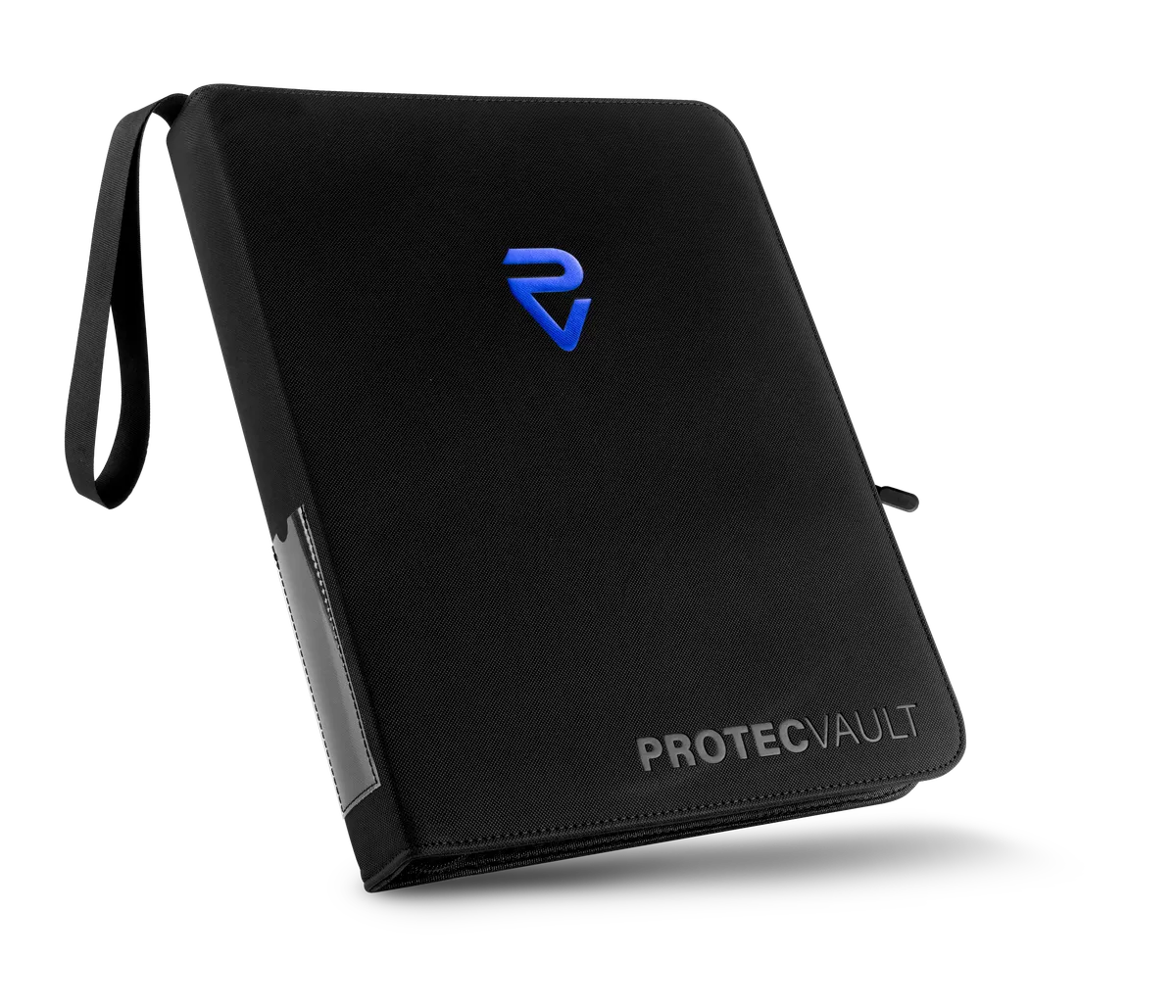
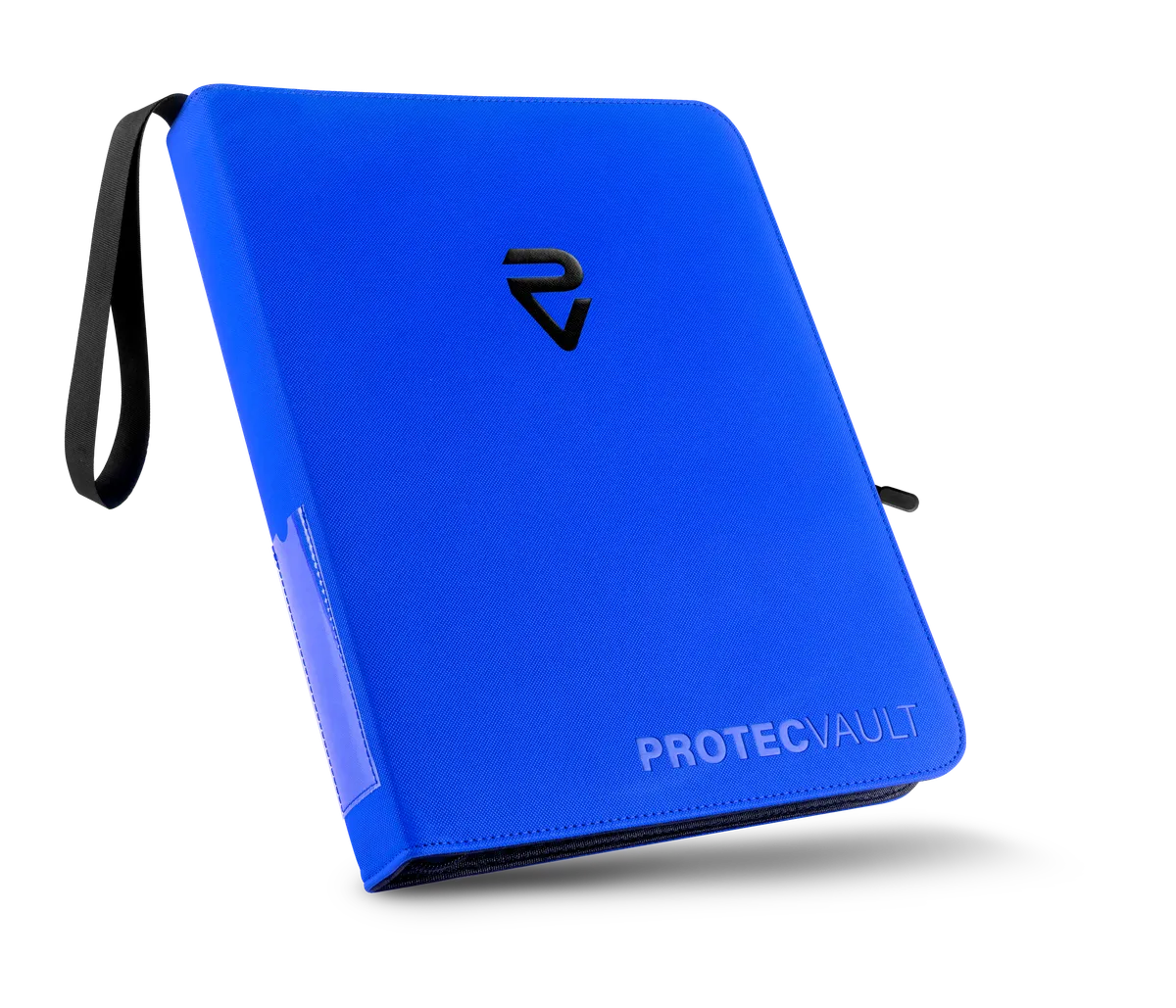
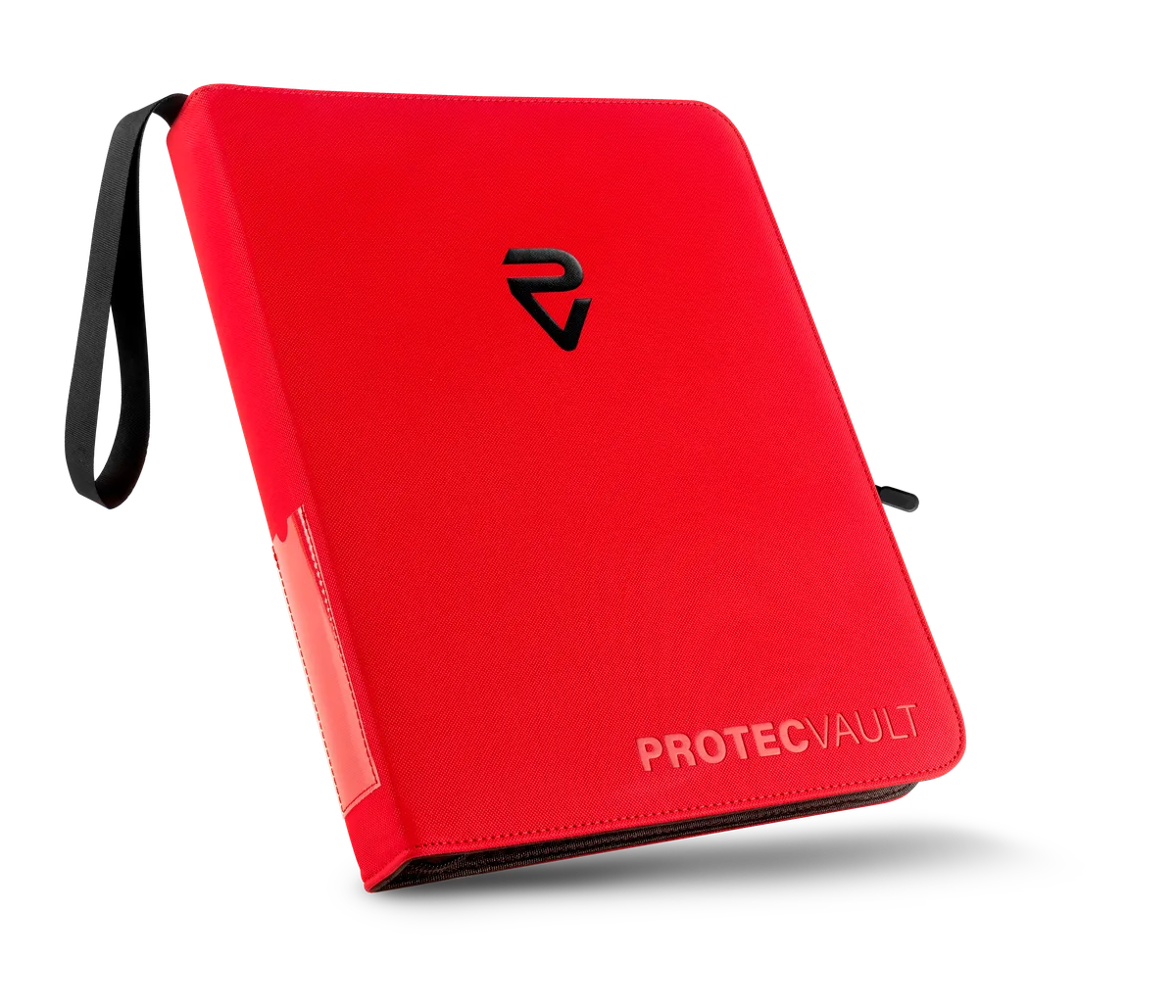
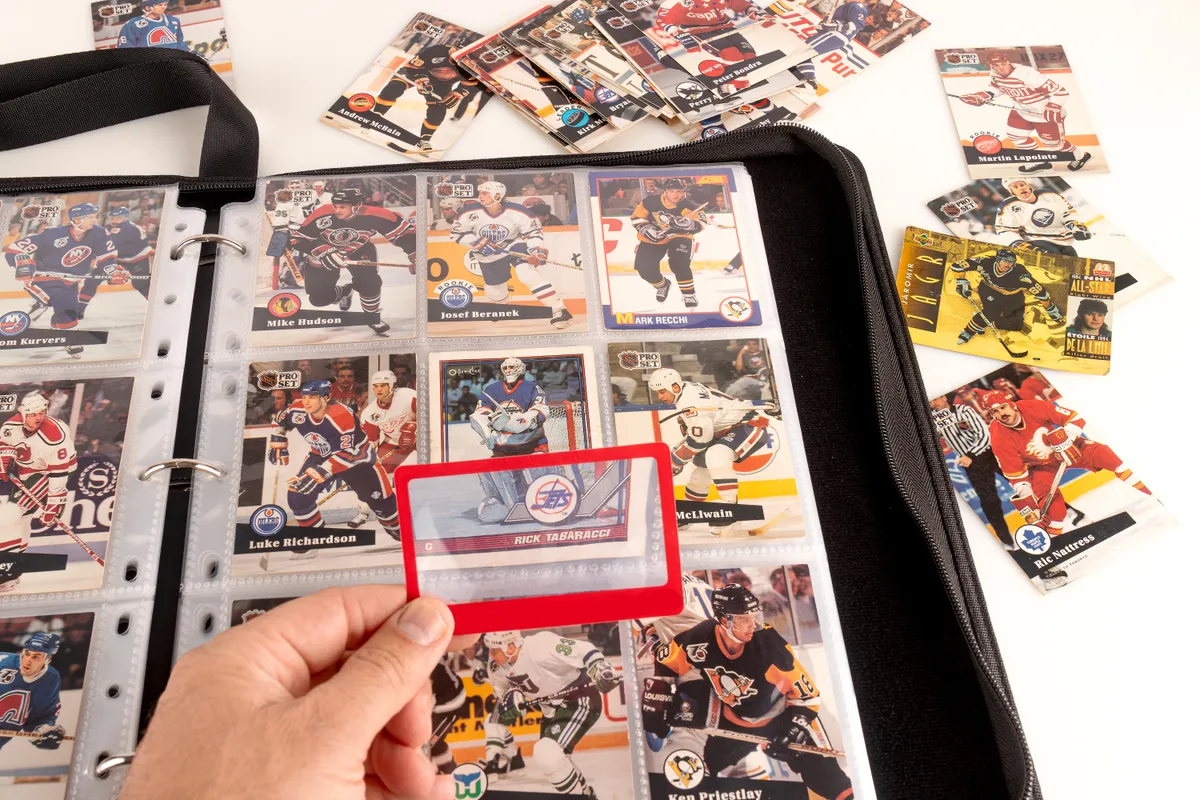
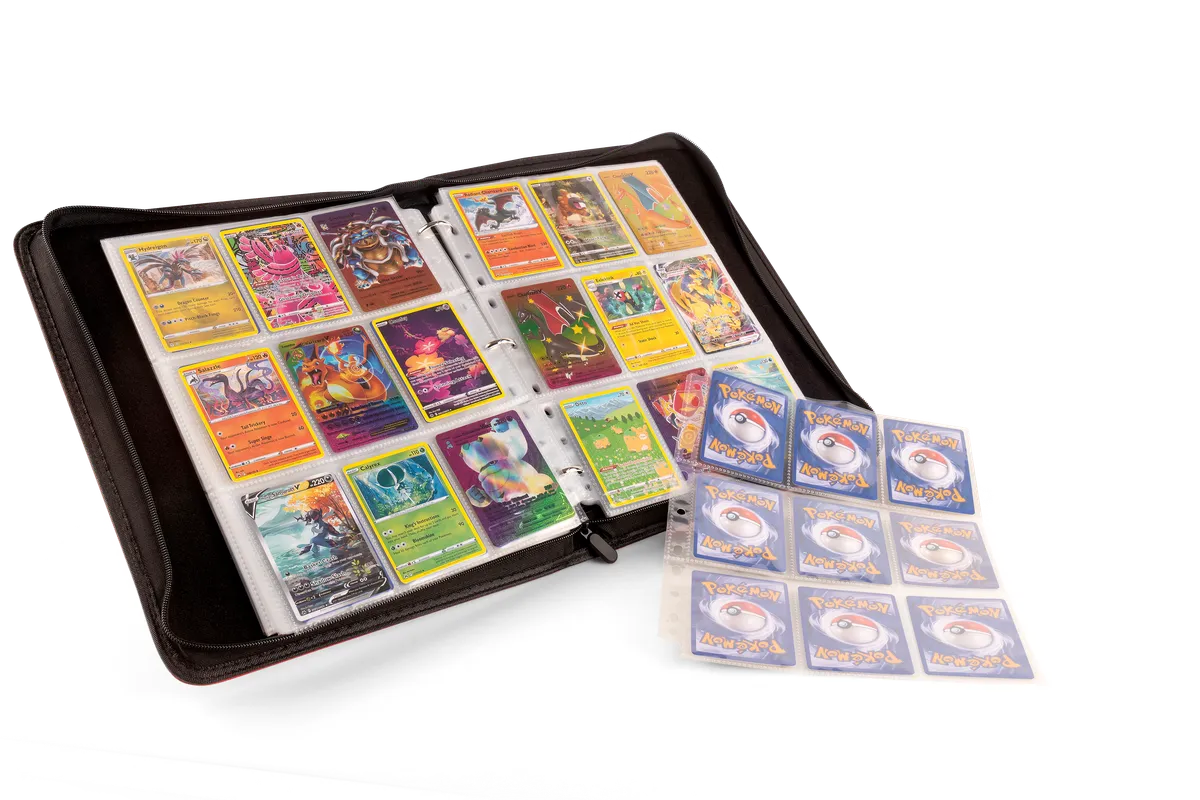
The ProtecVault 900-card bindercombines all four features: full zipper, water-resistant exterior, dust-sealed pockets, and PVC-free archival pages. For collectors who can't control their room environment perfectly, it's the cheapest insurance policy you can buy.
Common Climate Storage Mistakes
- Storing in the basement. Average basement RH is 65-75% — well into the danger zone
- Storing in the attic. Temperatures swing from below freezing to 120°F+ within a year
- Garages. Same as attics — uncontrolled temperature and humidity
- Cars during summer trips. Interior temps can hit 140°F within an hour
- Bathrooms or rooms next to bathrooms. Steam from showers spikes humidity dramatically
- Direct sunlight. UV fades colors AND raises local temperature
- On exterior walls. Walls facing outside are the coldest/dampest in winter, creating condensation risk
- Stacking heavy items on binders. Causes warping that's often blamed on humidity
Frequently Asked Questions
What humidity level is safe for trading cards?
Aim for 40-55% relative humidity. Above 60% causes warping, foil curling, and mold growth. Below 30% causes brittleness and cracking. This range mirrors what museums use for paper preservation.
What temperature should I store my cards at?
65-75°F (18-24°C) is ideal. Stable temperature matters more than the exact number. Avoid attics, garages, sun-facing rooms, and direct heat sources. Heat above 80°F accelerates ink degradation and adhesive breakdown in foils.
Will basement storage damage my cards?
Usually yes. Most basements have humidity above 65% and unstable temperatures. If you must store cards in a basement, use a dehumidifier (target 45-50% RH), seal cards in airtight containers with silica gel packets, and monitor with a hygrometer.
How do I know if humidity damaged my cards?
Watch for these signs: foils curling at the edges, white card borders showing water marks or yellow tinting, surface haze or cloudiness, slight warping when held flat, soft or sticky card edges. Once damage occurs, it cannot be reversed.
What's the best way to control humidity for card storage?
Three layers: (1) Climate-control the room with a dehumidifier or AC, (2) Use a sealed binder with zipper closure to slow humidity exchange, (3) Add silica gel packets in your storage area. Monitor with a $10 digital hygrometer.
Are zippered binders better for humidity protection?
Yes, significantly. A full-perimeter zipper closure dramatically slows air exchange between the binder interior and outside humidity. Combined with PVC-free pages and water-resistant exterior, a quality zippered binder is your first line of defense in non-climate-controlled environments.
Bottom Line
Climate control isn't optional — it's the difference between a collection that retains value for decades and one that silently degrades. The two numbers to remember: 40-55% humidity and 65-75°F temperature. Get a $10 hygrometer, move your cards out of basements/attics/garages, and use a quality zippered binder. That's it. Those three steps will preserve your collection for the long term.
Related Reading

ProtecVault Team
Trading card collectors. Built the binder we couldn't find.