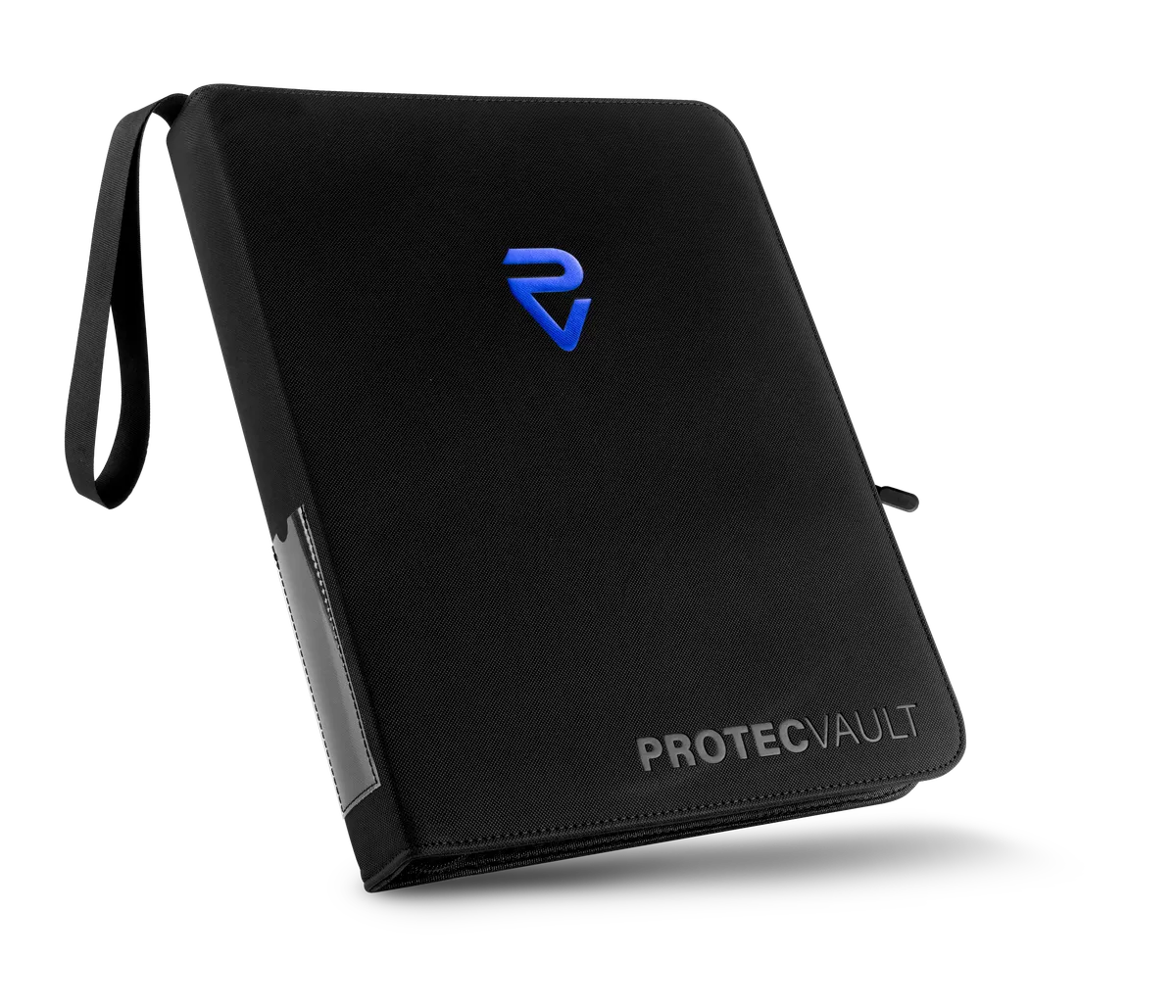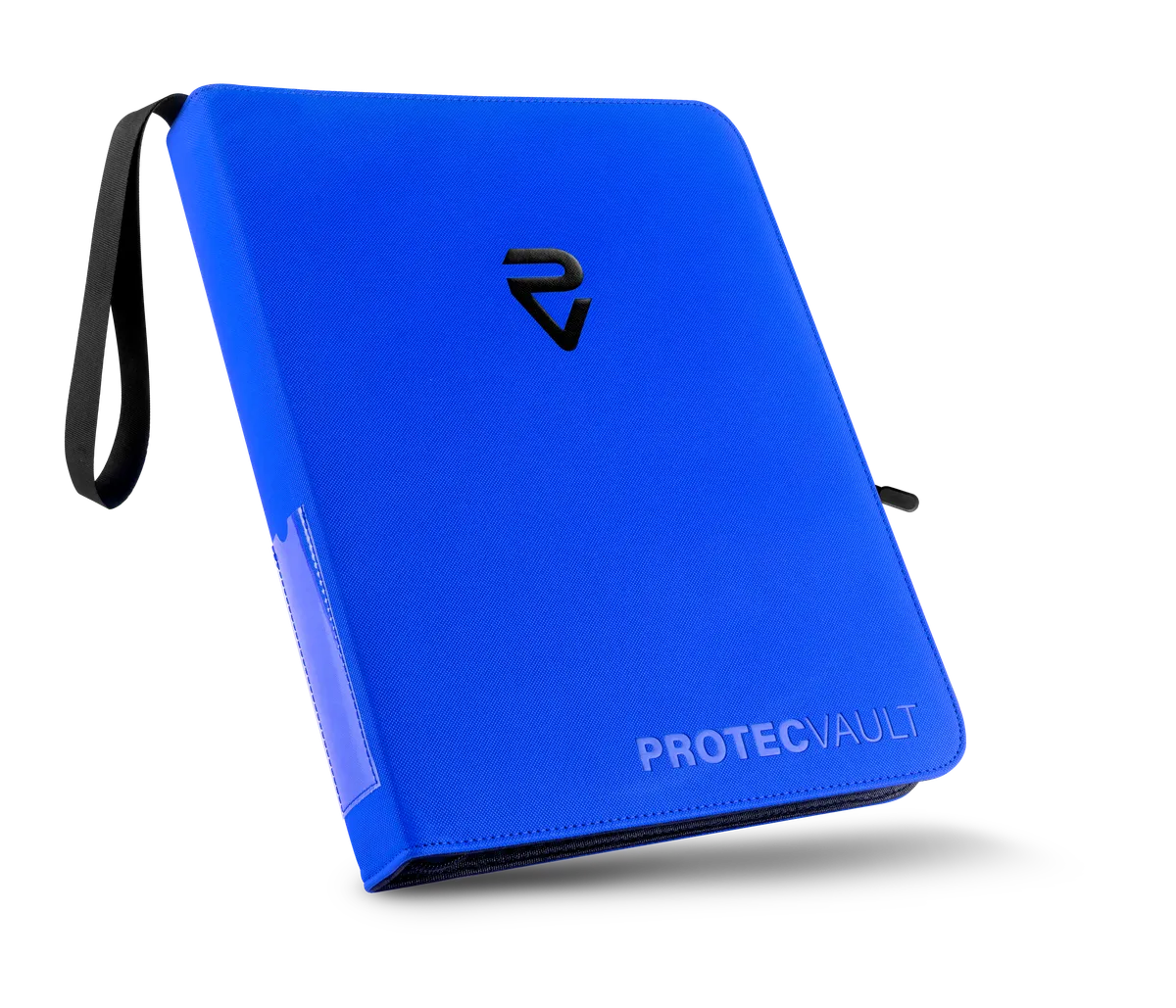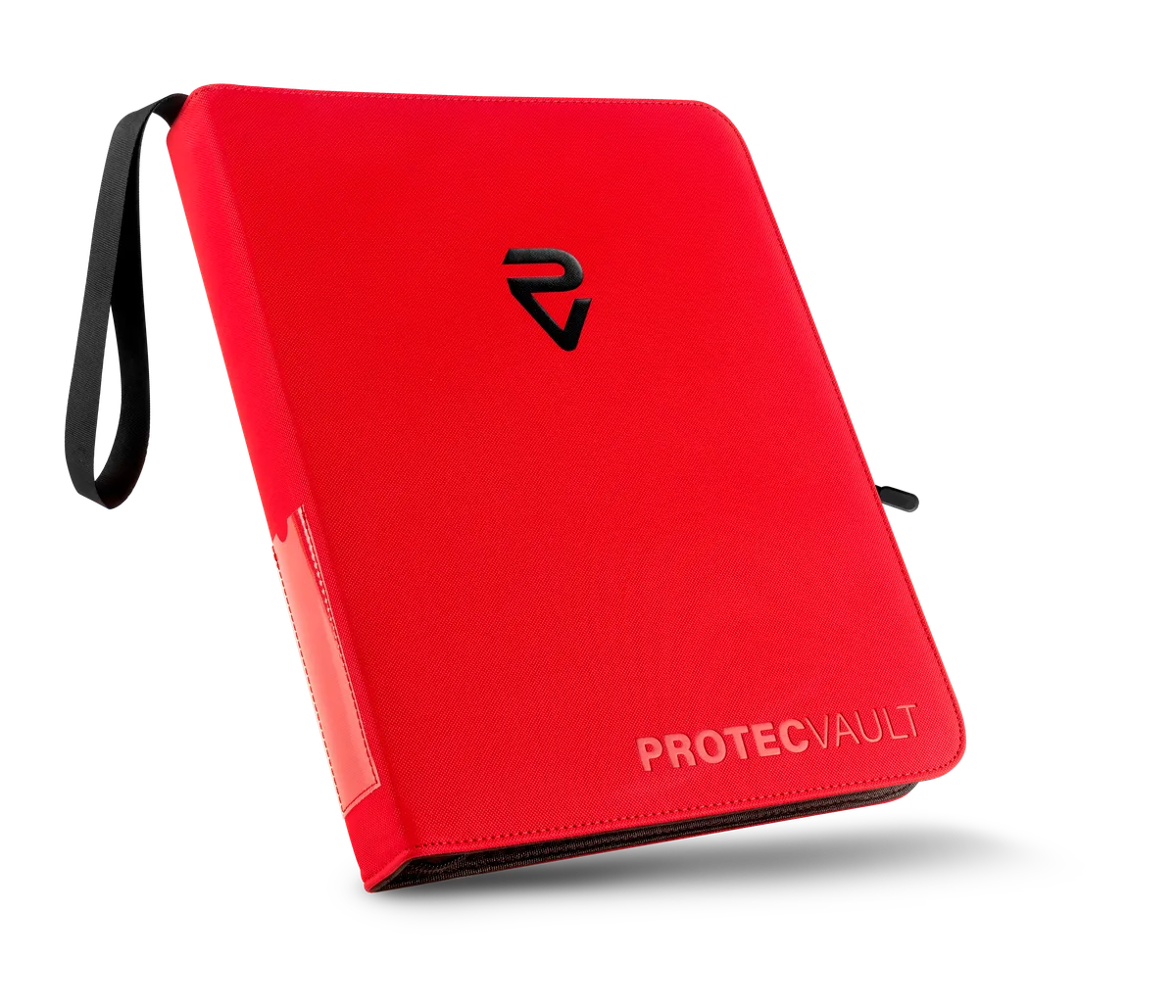
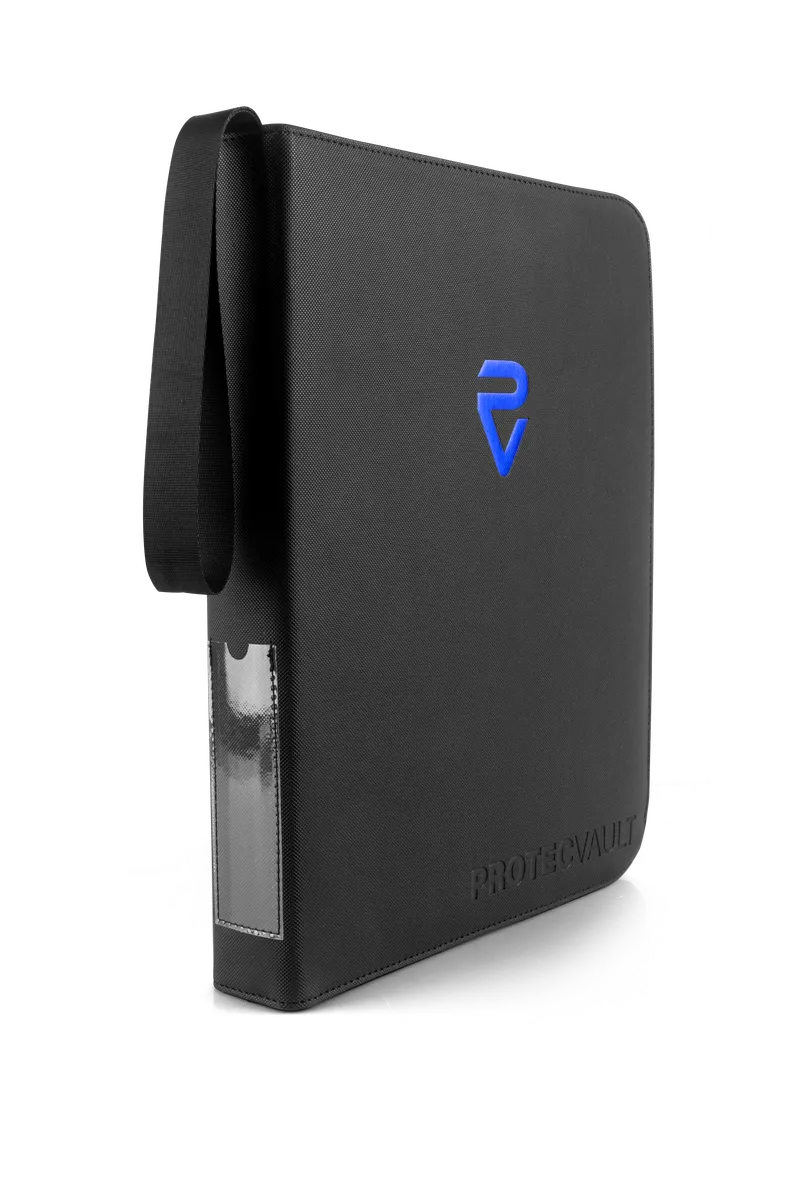
Every collector hits this fork in the road: binder or toploader?The answer isn't one or the other -- it's a strategic combination based on what each card is worth, how often you handle it, and where you store your collection. This guide gives you the framework.
The 30-Second Decision Framework
Use these three questions to decide what every card needs:
- What is the card worth? <$10 → binder. $10-50 → premium binder. $50-500 → toploader. $500+ → grading.
- How often do I handle it? Frequently traded → binder (easy access). Display only → toploader (rigid).
- Will I ever sell or grade it? Yes → toploader (preserves grade-eligible condition). No → binder is fine.
Binder: Strengths and Weaknesses
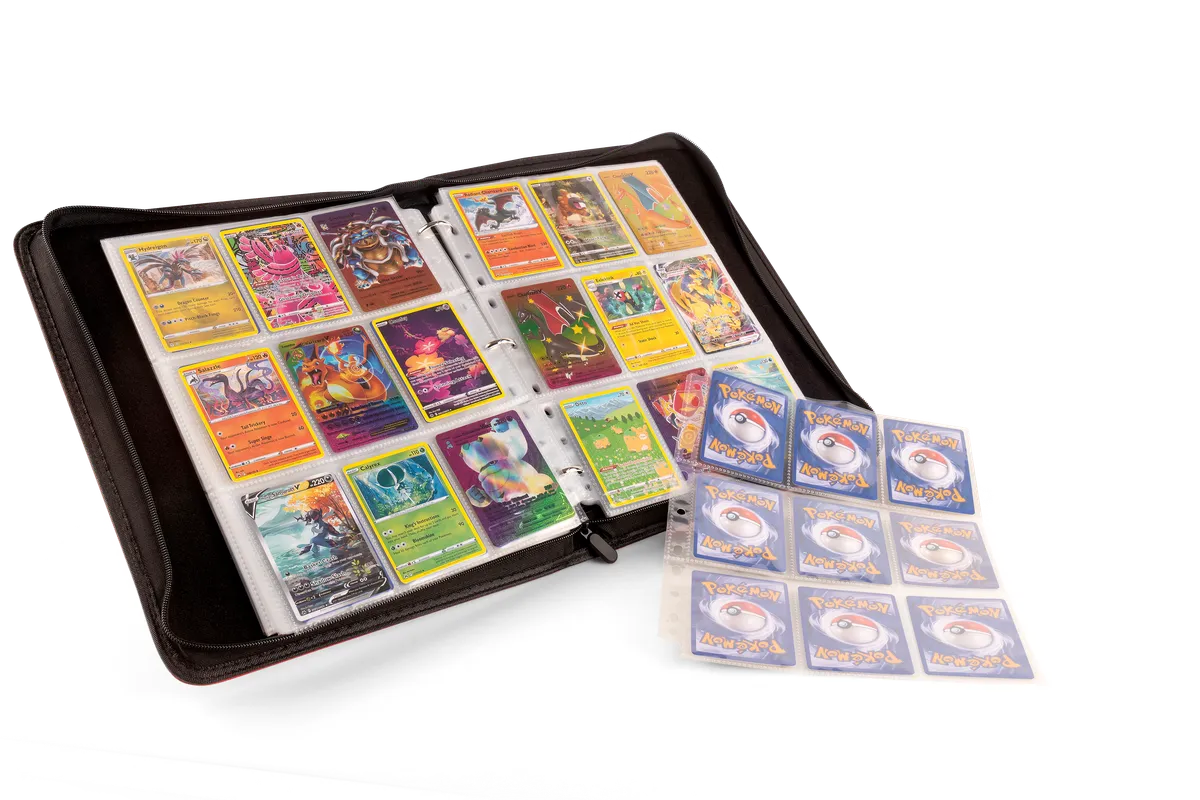
Binder Strengths
- Display: Flip through your collection like a book
- Organization: Sort by set, type, value, color, or Pokedex number
- Capacity: 360-1024 cards in one compact package
- Cost efficiency: $0.04-$0.08 per card slot in premium binders
- Portability: Bring entire collection to tournaments and trades
- Identification: See all cards at once, find specific cards instantly
Binder Weaknesses
- Less rigid: Bending risk if pages are loose or binder is dropped
- Page sagging: Heavy collections cause bottom-row cards to droop
- Sleeve limitations: Most pockets fit only single-sleeved or thin double-sleeved cards
- Tier limit: Not appropriate for cards worth $200+
Toploader: Strengths and Weaknesses
Toploader Strengths
- Rigid protection: Prevents bending, corner damage, edge wear
- Individual sealing: Each card independently protected
- Grading prep: Required for submission to PSA/BGS/CGC
- Shipping safe: Standard for selling/trading by mail
- Display value: Cards visible from both sides without removal
Toploader Weaknesses
- Cost: $0.15-0.25 per toploader vs $0.04 per binder slot
- Bulk: 100 toploaders take up 5x the space of a 360-card binder
- Less browseable: Can't flip through quickly
- Storage: Need toploader boxes or dedicated toploader binders
Recommendation by Card Value
| Value | Recommendation | Why |
|---|---|---|
| Under $10 | Binder (penny sleeve) | Cost-effective; binder pages provide adequate protection |
| $10-50 | Premium binder (penny sleeve) | PVC-free pages prevent chemical damage; zipper closure adds dust seal |
| $50-200 | Toploader (double-sleeved) | Rigid protection essential; cards prone to bending damage |
| $200-500 | Toploader + team bag | Add moisture barrier; consider grading if condition is mint |
| $500+ | Professional grading | Authentication + permanent slab + value boost |
Real-World Cost Comparison
Let's do the math for protecting different collection sizes:
Scenario 1: 500 mixed-value cards
| Method | Cost |
|---|---|
| 1× ProtecVault 900 binder | $35.55 |
| 500× toploaders (@$0.20) | $100.00 |
| 500× toploaders + 5 boxes | $140.00 |
Savings with binder approach: $64-104 (and you have one organized binder, not 500 loose toploaders).
Scenario 2: 1000 cards with 50 high-value chase cards
| Hybrid Setup | Cost |
|---|---|
| 1× ProtecVault 900 binder (950 cards) | $35.55 |
| 50× toploaders for chase cards | $10.00 |
| 1× toploader storage box | $8.00 |
| Total | $53.55 |
Compare this to all-toploader approach: 1000 × $0.20 + 10 boxes = $280. The hybrid approach saves $226.
The Hybrid Approach (What Pros Actually Do)
Serious collectors don't pick one or the other. They use a tiered system that maximizes protection while minimizing cost:
- Binder (80-90% of collection): All commons, uncommons, rares, and notable cards under $50. Stored in PVC-free 9-pocket pages with zipper closure.
- Toploaders (10-20% by value): Chase cards, full arts, secret rares worth $50-500. Double-sleeved and stored in toploader boxes or specialty toploader binders.
- Graded slabs (top 1-5% by value): Cards worth $500+ professionally graded by PSA, BGS, or CGC. Stored in slab boxes.
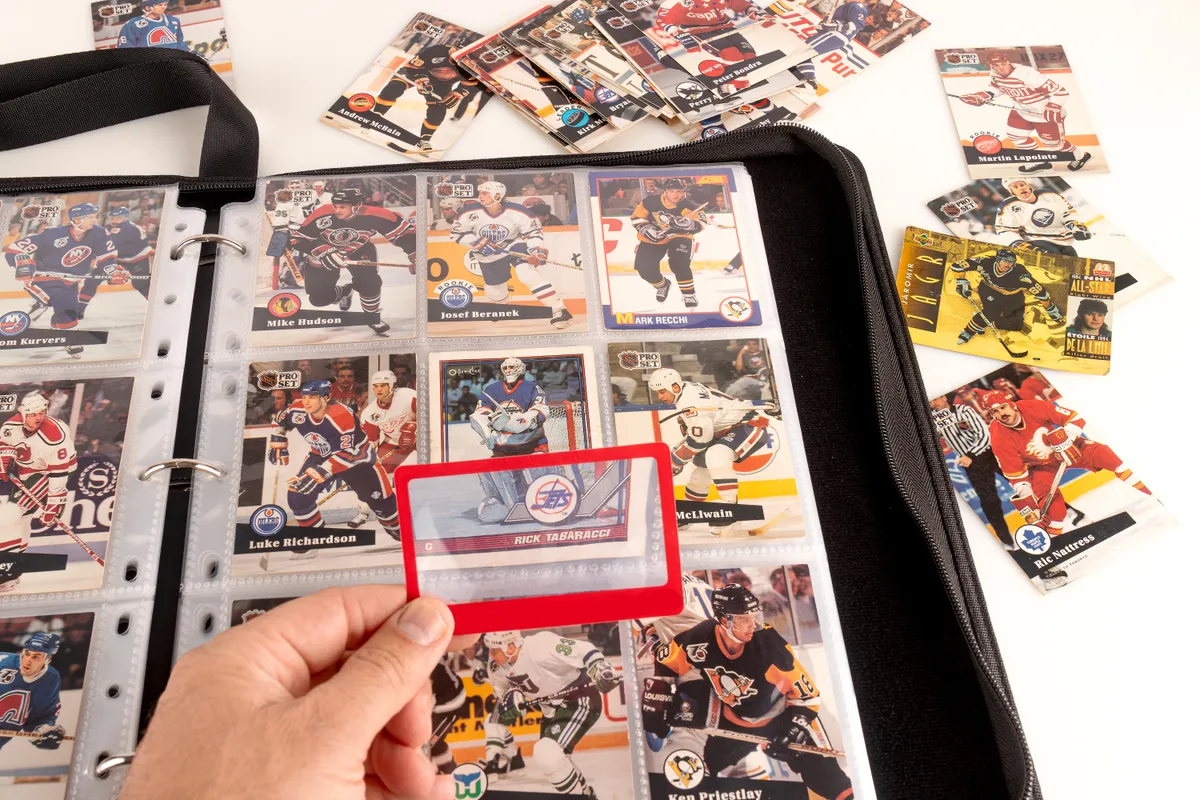
Specific Use Case Recommendations
Tournament Player
Use a binder for trade fodder (commons, uncommons, low-value rares) and toploaders for any card worth $20+. Always keep your binder zipped during transport. Penny sleeve everything in the binder.
Casual Collector
A premium 900-card binder is your best friend. One binder organizes your entire collection by set or favorite character. Toploaders only for the few chase cards you pull.
Investor / Resale
Toploader-first approach. Every card you intend to sell should be in a toploader from day one to preserve grade-eligible condition. Use binders only for trade bait or low-value bulk.
Display Collector
Binders for the bulk + display cases for showcase cards. Toploaders are functional but not visually appealing for display. Consider acrylic display frames for your top pieces.
Set Completionist
Binders are essential. You need to see at a glance which cards you have and which you need. A 900-card binder fits a complete master set with room for variants. Toploaders only for the rarest pulls.
Frequently Asked Questions
Are toploaders better than binders?
Not better -- different. Toploaders provide rigid protection for individual high-value cards. Binders provide organized, browseable storage for collections. Most serious collectors use both: binders for 80-90% of cards, toploaders for the top 10-20% by value.
Can I store toploaders in a binder?
Yes, with a special toploader binder. Brands like TopDeck make 200-card toploader binders with oversized pockets that fit cards already in 35pt toploaders. Standard 9-pocket binders won't fit toploaders.
How long do binders protect cards vs toploaders?
Both indefinitely if you choose quality products. PVC-free binder pages and toploaders are both archival-grade. The difference is what they protect against: binders protect from dust and scratches, toploaders protect from bending and impact damage.
What's the cheapest way to protect 500 cards?
A 900-card capacity binder at $35.55 ($0.04 per slot) is dramatically cheaper than buying 500 toploaders at $0.20+ each ($100 minimum). Use a binder for the bulk and reserve toploaders for cards worth $50+.
Do I need toploaders for grading?
Yes. PSA, BGS, and CGC all require cards to be submitted in semi-rigid sleeves or toploaders. Cards stored in binders need to be moved to toploaders before submission to prevent damage in transit.