You've got hundreds (maybe thousands) of Pokemon cards. You've got a binder. Now what? Organizing your collection isn't just about looking good -- the right system makes it easier to find specific cards, track set completion, and protect valuable pulls. Here are the 5 proven methods serious collectors use.
Before You Start: Setup & Sorting
Before you flip the first binder page, do these three things:
- Sleeve everything. Even if you're only using penny sleeves ($0.02 each), this prevents scratches and fingerprints during handling.
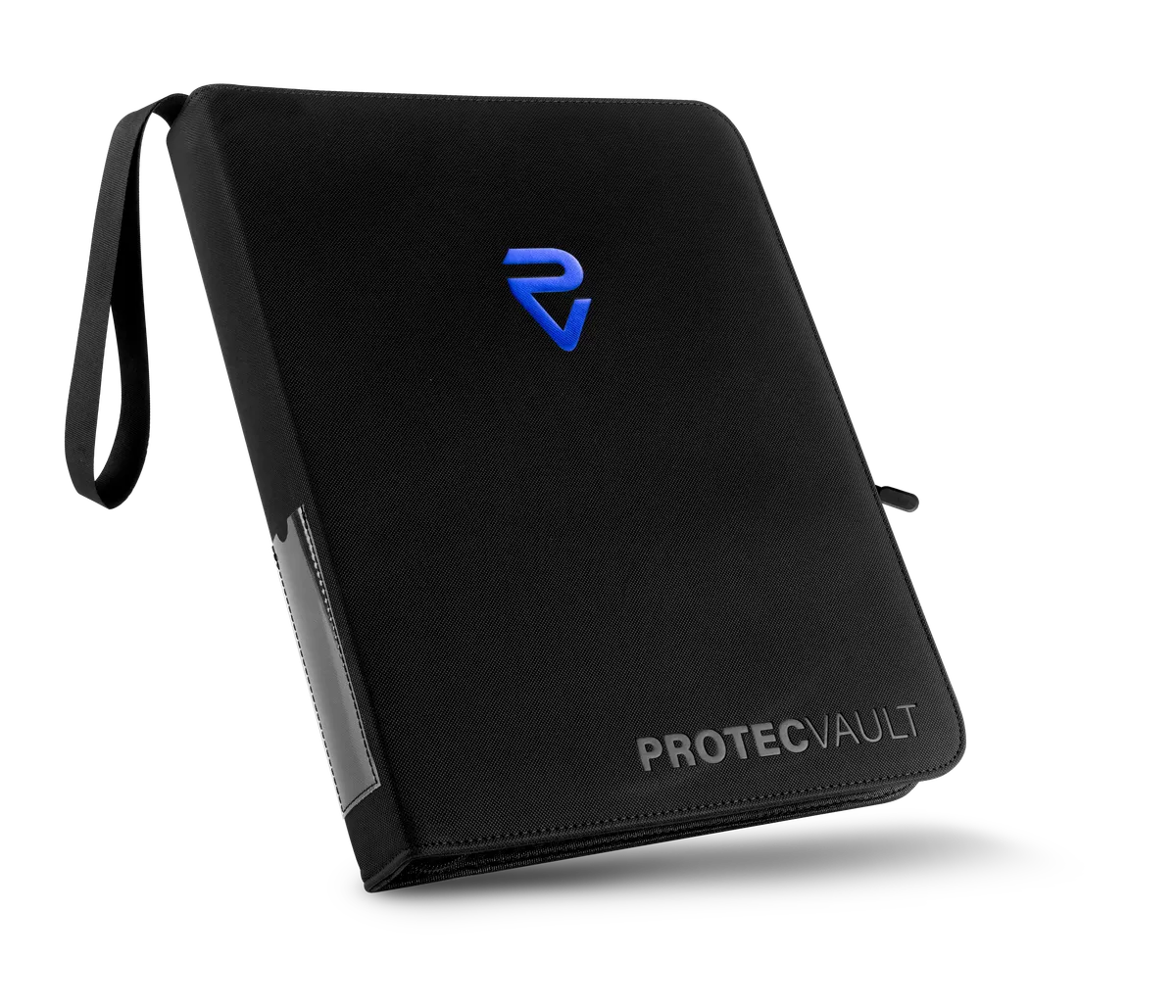
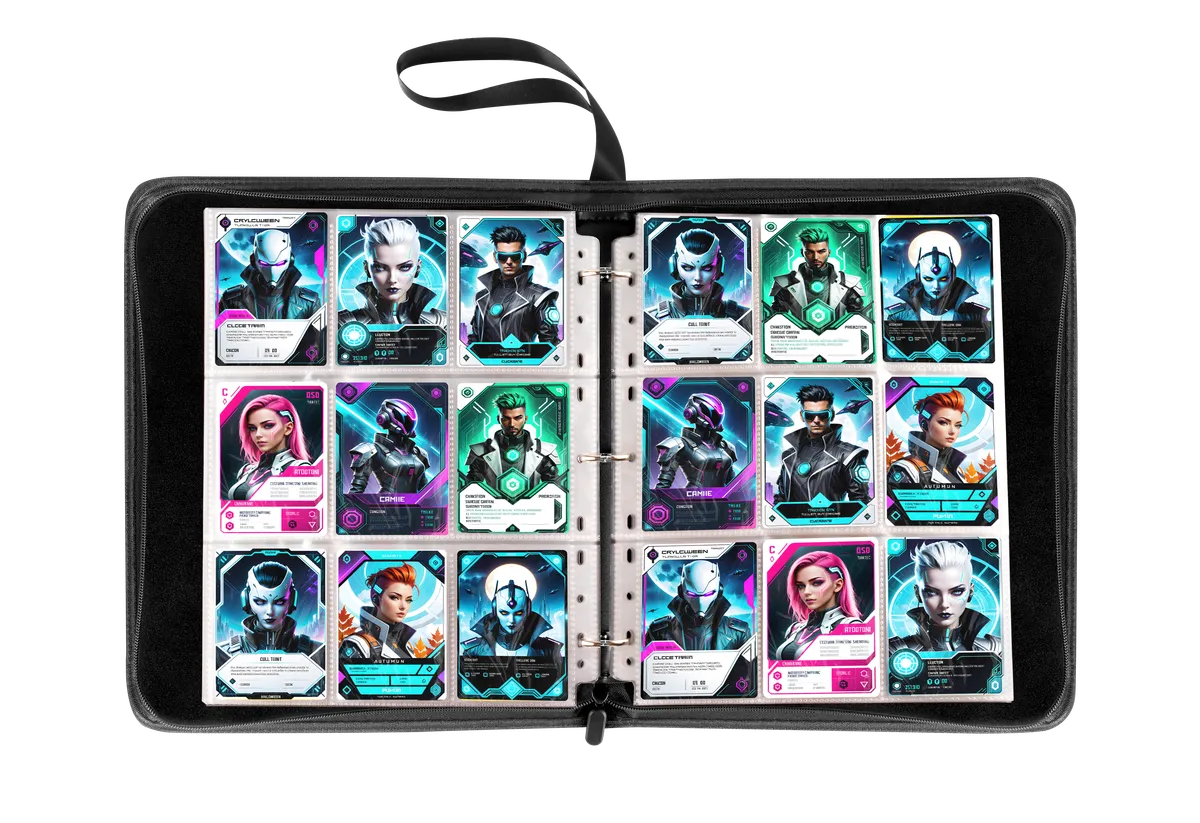
- Choose a quality binder. PVC-free pages, side-loading pockets, zipper closure. See our binder guide.
- Sort cards by set first. Look at the small set symbol in the bottom-right corner. Sort cards into piles by set before doing any deeper organization.
Method 1: By Set (Most Popular)
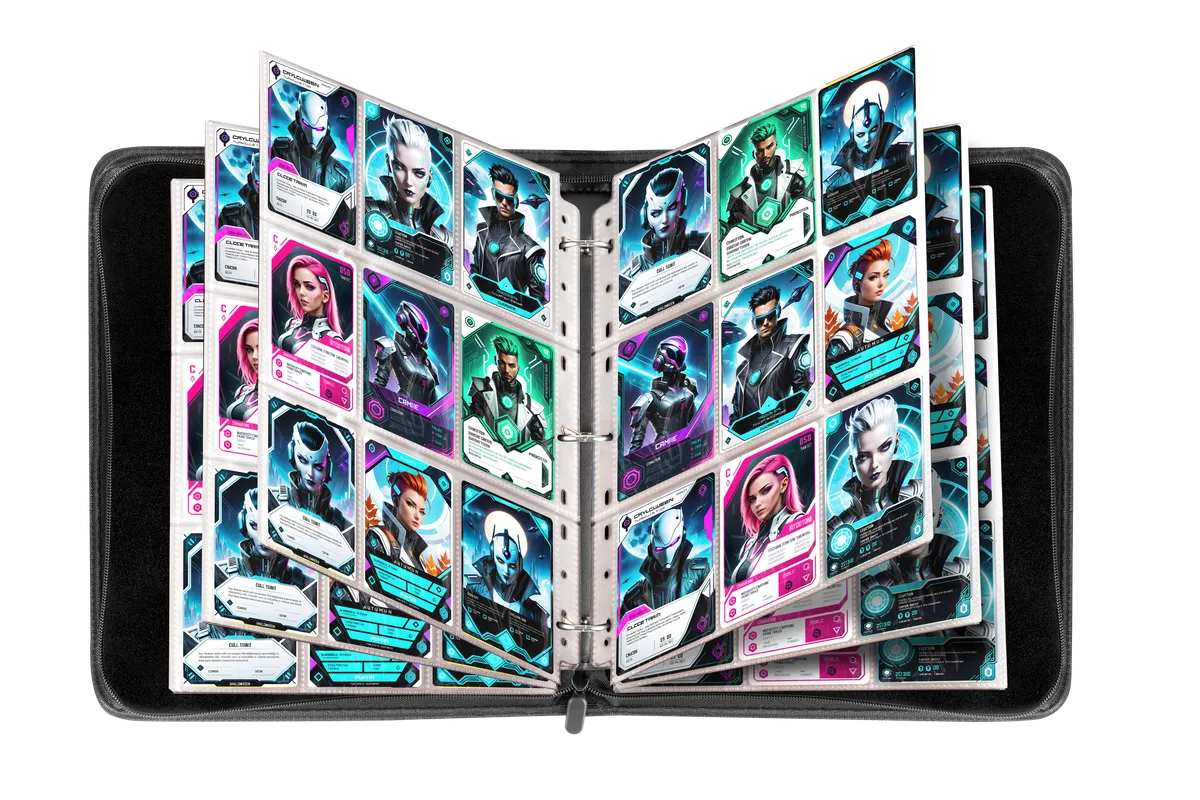
Best for: Set completionists, collectors working toward master sets
How It Works
Organize cards by their release set (Scarlet & Violet, Paldea Evolved, Prismatic Evolutions, etc.). Within each set, sort by collector number (also in the bottom-right corner of the card).
Step-by-Step
- Sort all cards into piles by set (use the set symbol)
- Within each set, sort by collector number (low to high)
- Insert into binder pages in order
- Use the binder's index slot to label each set section
- Leave 2-3 empty pages at the end of each set for new pulls
Pros
- Easy to track set completion (gaps are immediately visible)
- Mirrors how Pokemon releases cards
- Resale value: complete sets are worth more than individual cards
Cons
- Requires consistent re-sorting when new cards are added
- Smaller sets may waste binder pages
Capacity tip: A 900-card binder fits 2-3 complete modern Pokemon sets with room for chase cards. See our capacity guide for exact set fits.
Method 2: By Pokedex Number (Living Pokedex)
Best for: Pokemon completionists, collectors who want one card per Pokemon
How It Works
Ignore sets entirely. Organize by National Pokedex number (#001 Bulbasaur through #1025 Pecharunt). For each Pokemon, pick your favorite card -- usually the rarest, most beautiful, or most nostalgic version.
Step-by-Step
- For each Pokemon you own, pick your favorite version
- Set aside duplicates for trading or selling
- Insert one card per Pokemon in Pokedex order
- Note gaps for Pokemon you don't yet have
- Use the binder index slot to label generations (e.g., “Gen 1: 1-151”)
Pros
- Beautiful “living Pokedex” display
- Showcases your favorite art for each Pokemon
- Easy to identify which Pokemon you're missing
Cons
- Requires you to choose between multiple cards of the same Pokemon
- 1025 Pokemon = needs at least a 900+ card binder
- Doesn't work for collectors of multiple variants
Method 3: By Value Tier (Investor Method)
Best for: Investors, traders, anyone with significant pull value
How It Works
Sort cards by current market value. Highest-value cards in the front pages, lowest-value in the back. This minimizes handling of valuable cards (you flip past them less often) while keeping them accessible.
Tier Breakdown
| Tier | Value | Position | Protection |
|---|---|---|---|
| Chase / Hits | $50+ | First 5 pages | Double-sleeved |
| Notable | $10-50 | Pages 6-15 | Penny sleeved |
| Good Pulls | $2-10 | Pages 16-30 | Penny sleeved |
| Commons | Under $2 | Pages 31-50 | Optional sleeve |
Pros
- High-value cards stay protected (less handling)
- Easy to find your top pulls when showing off the binder
- Natural workflow for selling: open to page 1 to see your most valuable cards
Cons
- Requires you to know current card values (use TCGplayer or PriceCharting)
- Values change -- needs periodic re-sorting
Method 4: By Pokemon Type / Energy
Best for: Visual organization, themed displays
How It Works
Group cards by Pokemon type: Fire, Water, Grass, Electric, Psychic, Fighting, Darkness, Metal, Fairy, Dragon, Colorless. Each type gets its own section, often color-coordinated for visual impact.
Step-by-Step
- Sort cards into 11 piles by energy type (visible on each card)
- Within each type, sort by Pokemon name alphabetically or by Pokedex number
- Use a full page divider between types for clean transitions
- Consider placing each type's strongest Pokemon first within its section
Pros
- Visually stunning -- creates color-coordinated pages
- Easy for new collectors to understand
- Great for themed photos and content creation
Cons
- Doesn't track set completion
- Can waste pages if you have unequal types
Method 5: By Color (Aesthetic Method)
Best for: TikTok/Instagram collectors, display priority over function
How It Works
Ignore game mechanics entirely. Organize purely by the dominant color of the card art. Red cards together, blue together, full rainbow gradient sections. This is pure aesthetics and creates the most visually impressive “binder flip” content for social media.
Step-by-Step
- Sort cards by dominant color (red, orange, yellow, green, blue, purple, white, black)
- Create rainbow gradient transitions between colors
- Place full-arts and rainbow rares on full pages of their own
- Photograph or video every page when complete -- this is content gold
Pros
- Visually stunning -- the most Instagram-worthy method
- Highly satisfying “binder flip” videos for TikTok
- No memorization of set numbers or values needed
Cons
- Useless for finding specific cards
- Doesn't track collection progress
- Subjective (colors blend on holographic cards)
Method Comparison Table
| Method | Best For | Time to Setup | Find Cards | Visual Appeal |
|---|---|---|---|---|
| By Set | Completionists | Medium | Easy | Good |
| By Pokedex | Living Dex | Slow | Easy | Excellent |
| By Value | Investors | Medium | Medium | Good |
| By Type | Visual fans | Fast | Medium | Excellent |
| By Color | Social media | Fast | Hard | Best |
Tools You Need
- Premium binder with PVC-free pages and zipper closure (guide)
- Penny sleeves -- bulk pack of 1000 for ~$15
- Sorting space -- a clean table or floor area
- Set checklist -- print one or use the Pokemon TCG companion app
- Index cards -- for binder labeling via the side index slot
- Microfiber cloth -- for cleaning fingerprints before sleeving
Maintaining Your Organized Binder
Organizing once is easy. Keeping it organized as your collection grows is the real challenge:
- Sleeve immediately: Penny sleeve every new pull as soon as you open the pack
- Pre-sort weekly: Keep new pulls in a sorting tray; integrate into the binder weekly, not daily
- Leave buffer pages: Don't fill your binder to 100%. Leave 5-10 pages empty for future additions
- Re-evaluate values quarterly: If using the value method, re-sort when card values shift significantly
- Photograph completed sections: Keep a digital backup of your collection for insurance
Frequently Asked Questions
What's the best way to organize Pokemon cards?
By set is the most popular method because it mirrors how Pokemon releases cards and makes set completion easy to track. For collectors with mixed sets, organizing by value tier (chase cards in front, commons in back) maximizes both protection and visibility.
How do I sort thousands of Pokemon cards?
Start by separating into sets using the small set symbol on each card (bottom-right). Then within each set, sort by collector number (also bottom-right). A 900-card binder holds approximately 2-3 complete modern Pokemon sets. Use the binder's index slot to label each section.
Should I sleeve every Pokemon card?
Yes for any card you care about. Penny sleeves cost about $0.02 each and prevent surface scratches, fingerprints, and dust. Even bulk commons benefit from sleeving when stored in a binder. Skip sleeves only for cards you plan to discard or trade away.
How many cards fit in a Pokemon binder?
Standard 9-pocket binders hold 360-720 cards. The ProtecVault 900-card binder fits 900 cards (50 double-sided pages). One 900-card binder holds approximately 2 complete modern Pokemon sets like Scarlet & Violet or Prismatic Evolutions, with room for chase cards.
What goes in the front pages of my Pokemon binder?
Best practice: highest-value cards in the front pages. This makes them easy to find, easy to show off, and reduces handling of bulk commons. Reverse holos and full arts typically belong in the front 10-20 pages.