Tournament players, traders, and card show attendees face a unique challenge: transporting cards safely without sacrificing access. A collection that takes 6 months to build can be damaged in 30 minutes of careless travel. This guide covers the gear, techniques, and strategies that keep cards mint during transport.
The Three Travel Scenarios
Card collectors travel in three distinct scenarios. Each has different protection needs:
- Local play (LGS, friend's house): 5-30 min trips, controlled climate, minimal risk
- Tournament travel (regional events): 1-4 hour trips, hotel stays, multiple environment changes
- Card shows (multi-day events): Long travel, large card volumes, public handling
The right gear depends on which scenario you're in.
Essential Travel Gear
1. Zippered Binder (Your Main Carrier)
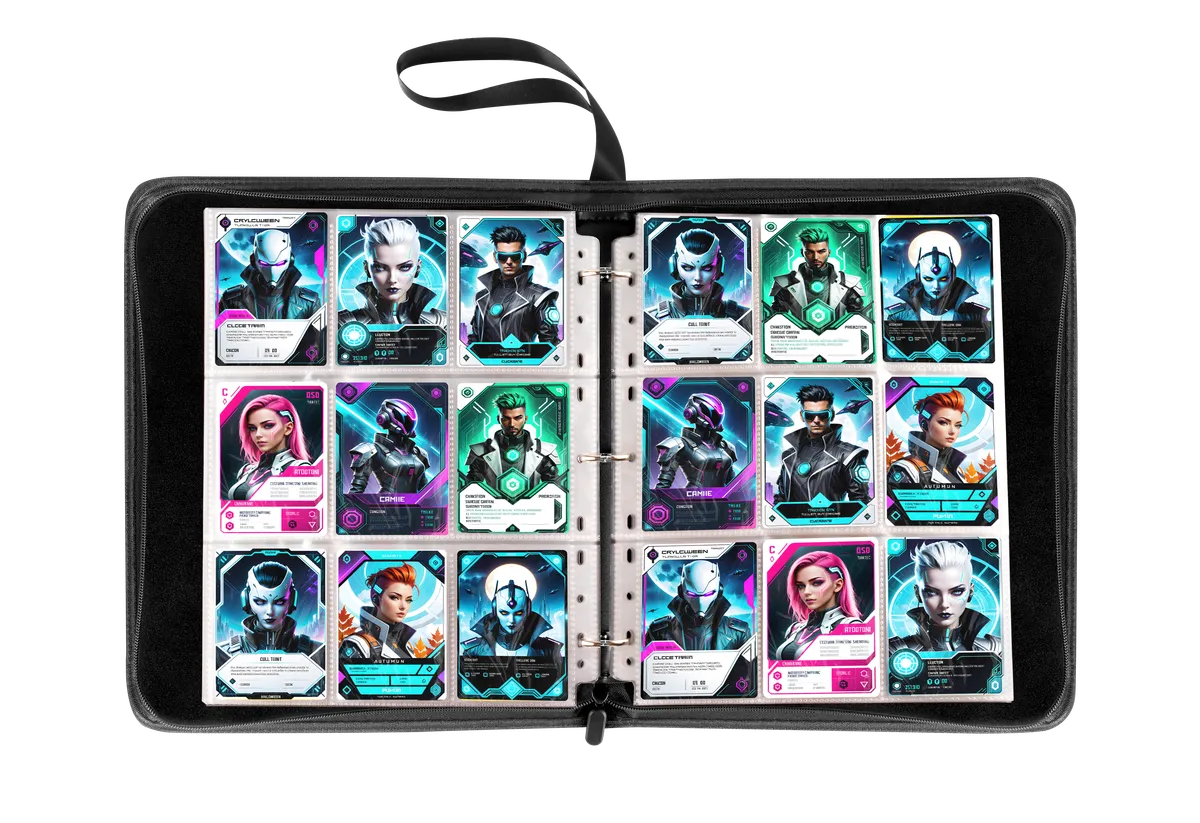
A premium zippered binder is the foundation of safe card travel. Look for:
- Full-perimeter zipper — not just a flap. Zippers prevent accidental openings when the binder is jostled in a backpack.
- Water-resistant exterior — PU leather or proprietary materials like Vault X Exo-Tec. Protects against spills, rain, and humidity changes.
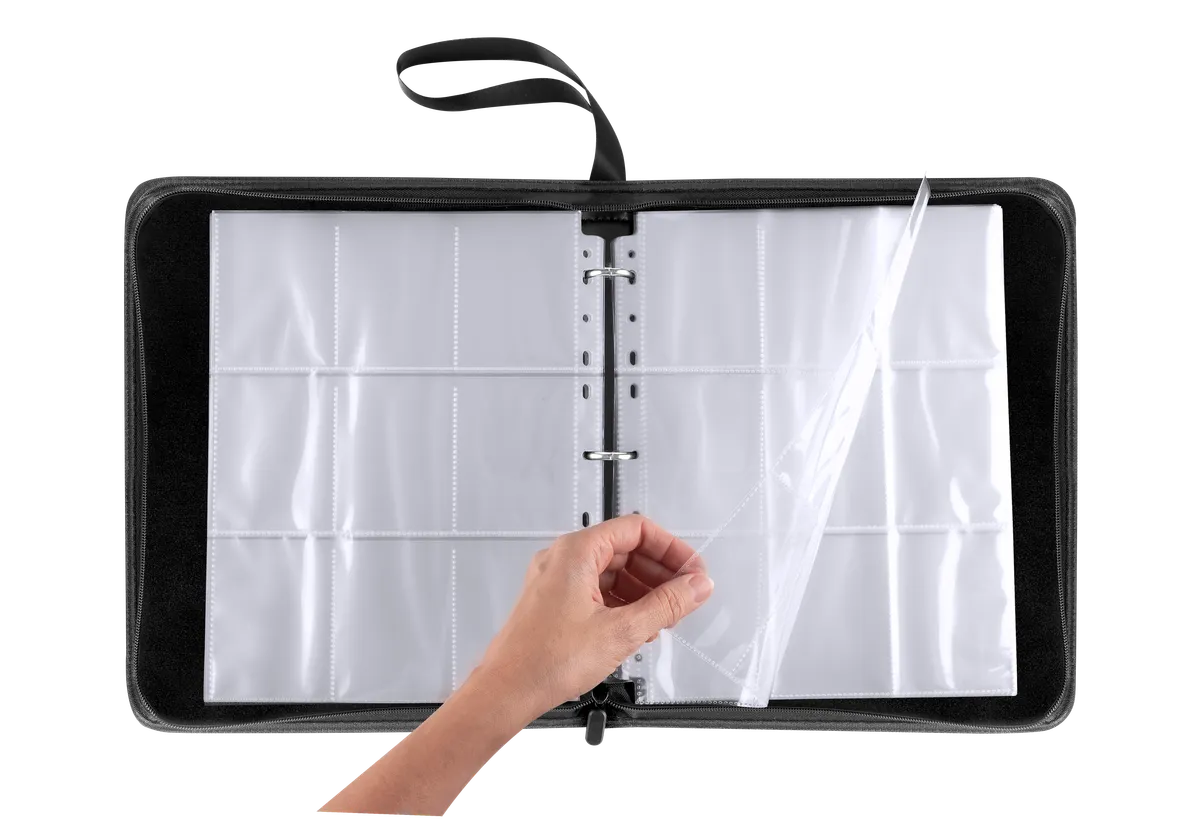
- Side-loading 9-pocket pages — cards stay in pockets even when the binder is upside down or shaken.
- Carry handle or wrist strap — reduces drop risk during transport.
- Reinforced spine — prevents binder failure when carrying 500+ cards.
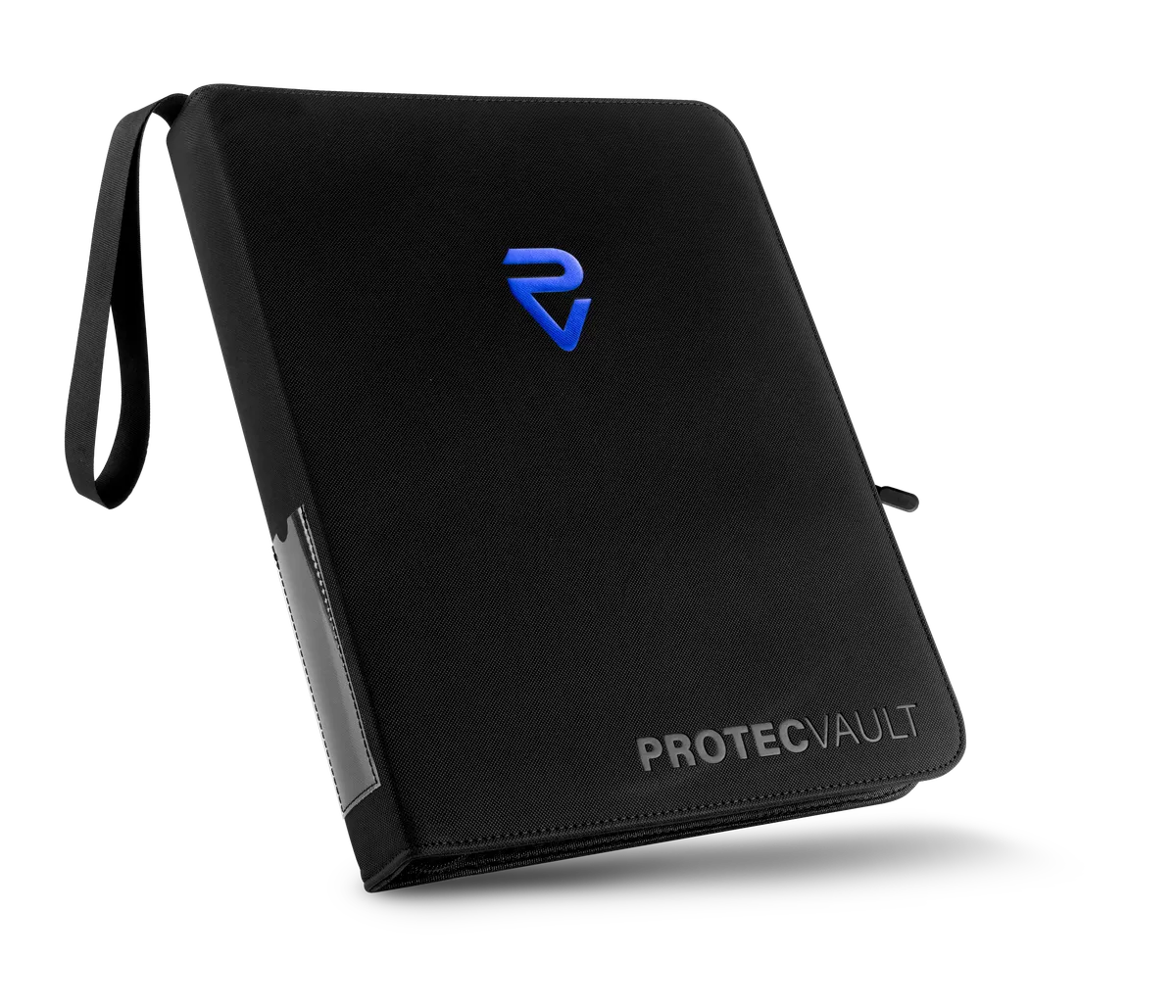
The ProtecVault 900-card binder includes all five features and holds enough cards for trade fodder, side deck options, and trade binder content in one place.
2. Deck Boxes for Active Cards
Cards you're currently playing belong in a deck box, not a binder. Deck boxes provide:
- Quick access during shuffling and gameplay
- Protection during the shuffling/drawing process
- Tournament-legal storage that meets organizer requirements
Best brands: Ultimate Guard Boulder, Dragon Shield Nest, KMC Mini Box. Avoid cardboard deck boxes from booster packs — they fall apart fast.
3. Toploader Box (For High-Value Singles)
Cards worth $50+ shouldn't live in a binder during travel. Use a toploader box with foam inserts for chase cards. This adds rigid protection beyond what binder pockets offer.
4. Backpack with Padded Compartment
A laptop backpack works perfectly — the padded laptop sleeve fits a 900-card binder. Avoid:
- Drawstring bags (no impact protection)
- Briefcases without padding (rigid pressure causes warping)
- Gym bags (humidity from clothing transfers to cards)
The Pre-Travel Checklist
Before any tournament or trade event, run through this 5-point checklist:
- Sleeve everything. Even your bulk trade fodder should be in penny sleeves. Bare cards rub against sleeved cards and damage both.
- Zip the binder fully. Walk through the zipper before leaving. A half-zipped binder is a disaster waiting to happen.
- Check pocket integrity. Look for pages with bent or torn pockets. Replace pages or cards as needed.
- Photograph high-value cards. Document chase cards with timestamps for insurance and theft recovery.
- Pack inside, not outside. Binder goes inside the backpack's padded compartment, never strapped to the outside where it's exposed to weather.
Tournament-Specific Tips
During Rounds
- Keep your binder zipped between rounds — only open during active trades
- Place binder on a clean table surface, never on the floor
- Use a play mat to protect cards from rough table surfaces
- Keep drinks at least 3 feet from your binder (spills happen)
During Trades
- Handle other people's cards by the edges only
- Never lay cards flat on table surfaces — use sleeves at all times
- Take photos of your most valuable cards before trading
- Move both binders to a clean, well-lit area for inspection
Hotel and Multi-Day Travel
For card shows and multi-day tournaments, climate control becomes critical:
- Hotel rooms: Generally safe (climate controlled, ~50% humidity). Store binders away from windows and AC vents.
- Cars: NEVER leave cards in a parked car. Summer interior temps can hit 140°F. Winter cold cracks card stock.
- Hotel safes: Use them for cards worth $500+. Don't leave high-value singles in luggage.
- Insurance: Travel insurance often excludes “collectibles.” Specialty card insurance (Distinguished Programs, Collectibles Insurance Services) covers cards worth $5,000+.
Air Travel With Cards
If you're flying to a tournament or card show:
- Carry-on only. Never check cards. Lost luggage = lost collection.
- TSA-friendly setup. A binder in a backpack passes TSA without issue. Graded slabs occasionally trigger secondary inspection — have your invoices ready.
- Cabin pressure changes don't affect cards in normal flight conditions.
- International travel: Some countries (China, EU) have strict customs rules for high-value collectibles. Declare anything over $1,000.
Common Travel Mistakes
- Storing the binder in a car overnight — biggest cause of damage
- Carrying loose cards in a backpack pocket — immediate edge wear and bending
- Skipping the zipper — cards fall out during walking
- Using cardboard deck boxes — they fail under stress
- Leaving cards on the table during food breaks — spills, drops, theft
- Bringing more cards than you need — every extra card is risk exposure
Frequently Asked Questions
What's the safest binder for tournament travel?
A zippered binder with side-loading 9-pocket pages and a water-resistant exterior. The zipper prevents accidental openings during transport. Side-loading pockets keep cards from sliding out when the binder is jostled. Water-resistant exterior protects against spills, rain, and humidity changes between venues.
Should I use a binder or a deck box for tournaments?
Both. Deck boxes for the cards in your active deck (sleeved and ready for shuffling). Binder for trade fodder, side deck options, and chase cards you want to display. The binder lets you flip through and trade efficiently between rounds without disturbing your main deck.
How do I protect cards from temperature changes during travel?
Avoid leaving cards in a hot car (interior temps can hit 140°F+ in summer) or unheated trunks in winter. Carry your binder inside the cabin where temperature is regulated. For long trips, transfer to climate-controlled storage at your destination within an hour of arrival.
What's the best way to organize a trade binder?
By value tier. Front pages: chase cards and high-value singles ($20+). Middle pages: mid-value rares ($5-20). Back pages: bulk uncommons and commons. This makes trading efficient -- traders can quickly assess your top offers without flipping through 50 pages.
How do I protect graded slabs during travel?
Graded slabs need rigid protection beyond what a binder offers. Use slab boxes with foam inserts, store in your carry-on (never checked luggage), and consider insurance for cards worth $500+. For multiple slabs, dedicated carrying cases from BGS, PSA, or third-party manufacturers offer the best protection.
Bottom Line
Travel doesn't have to mean risk. With a quality zippered binder, side-loading pages, and basic discipline (always zip, always sleeve, never leave in cars), you can transport hundreds of cards safely to any tournament or card show. Invest in the right gear once -- save your collection forever.
Related Reading

ProtecVault Team
Trading card collectors. Built the binder we couldn't find.